
The Nature of Luck in Gambling
Luck has long been a cornerstone of casino gaming, defining the experiences of countless players. While games of chance, such as slots and roulette, may seem purely reliant on luck, they also involve psychological aspects that influence outcomes. This duality raises questions about the role of luck in gambling environments, especially when players experience streaks of wins or losses, particularly in the australia online casino scene. These patterns can create the illusion that luck is directly impacting results, leading players to attribute their outcomes to fortuitous moments.
Many gamblers develop superstitions revolving around luck, such as specific rituals or routines they believe enhance their chances of winning. For instance, some players may prefer to wear ‘lucky’ clothing or carry specific charms when visiting a casino. These beliefs can have a significant psychological impact on players, potentially affecting their confidence and decisions. This added layer complicates the relationship between luck and outcomes, making it difficult to ascertain whether luck is genuinely a factor or merely a perceived notion.
Moreover, cognitive biases, such as the gambler’s fallacy, can distort how players perceive luck. This fallacy leads individuals to believe that previous outcomes can influence future results, as if luck has a memory. For example, a player might think that after several losses, a win is ‘due.’ This misunderstanding of probability can lead to misguided strategies, emphasizing the need for players to distinguish between pure luck and mathematical odds when engaging in casino games.
The Role of Probability and Strategy
While luck plays an undeniable part in casino games, probability and strategy are equally crucial. Each game comes with its own set of odds that dictate the likelihood of winning or losing. For example, games like blackjack and poker incorporate elements of skill and decision-making that can significantly impact outcomes over time. Players who understand the odds and employ sound strategies can minimize their losses and maximize their winning potential, showcasing that outcomes can often be influenced by more than just luck.
In contrast, games entirely based on chance, such as slot machines, tend to rely almost exclusively on luck. The random number generators that power these machines ensure that every spin is independent of the previous one, reinforcing the idea that luck is all-consuming. However, even in these scenarios, players can control the duration and frequency of their play, indirectly influencing their overall experience and perception of luck. This aspect highlights the importance of managing one’s bankroll effectively, regardless of how much luck is involved.
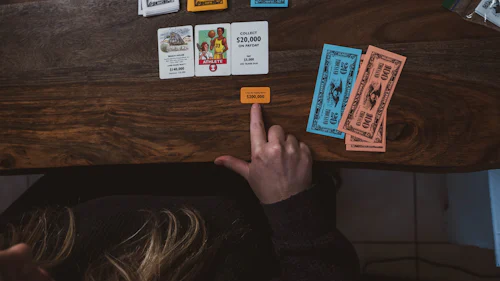
Another critical consideration is the variance in games. High-variance games can lead to significant fluctuations in a player’s bankroll, where luck may seem to be the deciding factor in short-term play. In these instances, players who stick around long enough may see luck balance out over time, revealing that while luck may dictate immediate outcomes, skill and strategy can create a more stable foundation for long-term success. Understanding this interplay between luck and strategic play can elevate a player’s experience in a casino context.
The Psychological Aspect of Luck
The perception of luck also plays a pivotal role in how players approach casino games. The emotional highs and lows experienced during gameplay can profoundly impact decision-making. When individuals feel lucky, they may be more inclined to take risks, increasing their stakes or trying new strategies. This emotional connection to luck can create a feedback loop where winning reinforces the idea of being lucky, while losing may lead to self-doubt and frustration. Such emotional fluctuations can drive players to chase losses or engage in reckless behavior.
Furthermore, the casino environment is designed to amplify these feelings of luck. From dazzling lights to celebratory sounds, casinos create an atmosphere that heightens excitement and fosters the belief in luck. The presence of other players celebrating wins can also contribute to the feeling that luck is prevalent in the room. This electric environment can alter a player’s perception, making them more susceptible to the belief that luck is a tangible force influencing their outcomes.
Social dynamics can also intertwine with the concept of luck. For instance, when playing table games, the collective mood of the table can affect individual players’ beliefs about their luck. If one player wins big, others may feel motivated, believing that their luck is about to change. This social contagion of emotion can lead to collective behaviors that reinforce the illusion of luck, further complicating the landscape of casino outcomes.
Balancing Luck and Rationality
For many players, finding a balance between luck and rational decision-making is key to enjoying their casino experience. Acknowledging that luck influences short-term outcomes while recognizing that skill and strategy impact long-term success can lead to healthier gambling habits. Players who embrace this mindset are less likely to succumb to superstitions and more likely to approach their gaming with a rational perspective, ultimately leading to more enjoyable and manageable play.

One effective approach is to set clear limits on both time and money spent in casinos. By understanding that luck can fluctuate, players can create a more structured and controlled environment for themselves. This proactive approach fosters a healthier relationship with luck and reduces the temptation to chase losses or engage in impulsive betting. With this strategy, players can enjoy the thrill of gambling without jeopardizing their financial well-being.
Additionally, education plays a crucial role in improving players’ understanding of luck versus skill. Resources, guides, and community discussions can provide valuable insights into the nuances of various games. The more informed players are about the games they choose to play, the less likely they are to rely solely on luck for their outcomes. By fostering a mindset that values both luck and strategic thinking, players can enhance their overall experience in the casino.
Your Go-To Resource for Casino Insights
In a world where luck and strategy intertwine, building a keen understanding of both can significantly impact your gaming experience. Whether you’re a seasoned player or new to the casino scene, having access to informative resources can enhance your awareness of game mechanics, odds, and strategies. With the right knowledge, you can cultivate a mindset that balances the excitement of luck with the rationality of informed decision-making.
Our website serves as a hub for individuals looking to deepen their understanding of casino games and the role luck plays in them. With expert insights, tips, and articles, we aim to demystify the complexities of gambling, empowering players to enjoy their experiences while making informed choices. By engaging with our content, you can enhance your gaming strategies, embrace the thrill of chance, and cultivate a rewarding relationship with the world of casinos.
Ultimately, the interplay between luck and rationality defines the essence of the casino experience. As you navigate this exciting realm, remember that while luck may impact your immediate outcomes, informed strategies and self-awareness can pave the way for a more enjoyable and sustainable gaming adventure. Dive into our content, and let us guide you on your journey through the dynamic landscape of casino gaming.